


The Ultimate Guide to Dust Suppression Services in Perth: Road, Mining and Construction Solutions

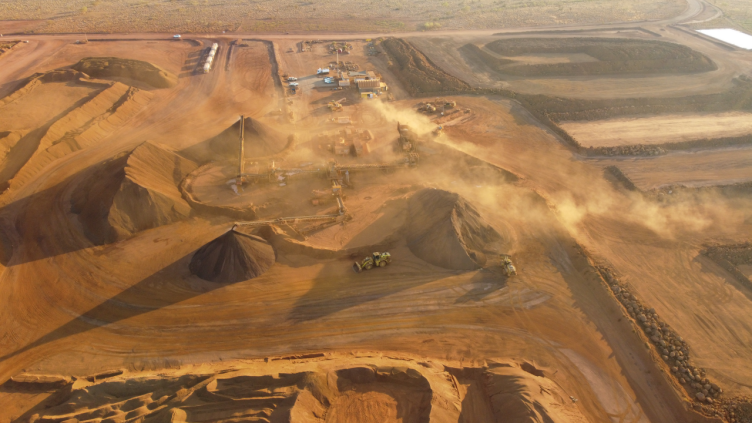
Dust is more than just a nuisance on a worksite or a dirt road. In Western Australia, where dry conditions, heavy vehicle traffic, and large-scale earthworks are part of everyday operations, unmanaged dust creates genuine hazards. It reduces visibility, damages machinery, degrades air quality, and can cause serious respiratory issues for workers and nearby residents.
For construction companies, civil contractors, and mining operators, having a reliable dust suppression service provider is a must! but it is also a regulatory requirement and an operational necessity. This guide breaks down how dust suppression works, what solutions are available, which industries need them most, and what to look for when choosing a provider in the Perth region.
What Is Dust Suppression and Why Does It Matter?
Dust suppression refers to the application of methods or materials that reduce the amount of airborne dust particles generated by activities such as vehicle movement, excavation, blasting, crushing, or wind erosion on bare surfaces.
In Perth and broader Western Australia, the problem is amplified by the region's dry climate, particularly during summer months when humidity is low and wind speeds increase. Without proper dust management, fine particulate matter can travel significant distances, affecting not only the worksite but also surrounding communities and sensitive ecosystems.
Industries That Rely on Dust Suppression in Perth
Mining and Resources
The mining sector is one of the largest generators of dust in Western Australia. From haul roads and stockpiles to processing facilities and open-cut mines, dust is produced at almost every stage of operation. Mining operators require dust suppression programs that can cover large areas, withstand heavy vehicle loads, and remain effective over extended periods without constant reapplication.
Construction and Civil Works
Construction projects, including road building, land development, and infrastructure works, disturb large areas of bare soil. During earthmoving, grading, and compaction activities, fine particles become airborne quickly. Dust control solutions in Perth on construction sites help meet EPA and local council requirements and prevent disputes with neighbouring properties or communities.
Road Management and Local Government
Unsealed roads are a major source of dust in peri-urban and rural areas around Perth. Local governments and road managers are responsible for managing dust on gravel roads, access tracks, and rural roads that service farms, communities, and industrial facilities. Road dust suppression is increasingly becoming a standard maintenance practice rather than a reactive response.
Demolition and Site Clearing
Demolition projects generate silica dust, which is one of the most hazardous types of particulate matter. Wetting agents, suppression sprays, and dust control barriers are commonly used during demolition to reduce airborne silica concentrations.
Agriculture and Rural Properties
Wind erosion on agricultural land, particularly during dry summer months, can generate enormous volumes of dust. Soil stabilisation and dust suppression help protect topsoil, prevent erosion, and maintain productivity on rural properties across Western Australia.
Types of Dust Suppression Solutions Available in Perth
Water-Based Dust Suppression
Water is the most straightforward method of dust control. Water trucks are deployed across a site or road to wet the surface, temporarily binding dust particles. However, water alone evaporates quickly in Perth's hot climate, meaning frequent reapplication is necessary. This makes it a short-term and resource-intensive option for large sites.
Chemical Dust Suppressants
Chemical suppressants are applied to a surface and work by binding soil particles together, increasing the cohesion of the surface layer so that it resists wind and traffic disturbance. These products are typically diluted and applied by water truck or sprayer. Common types include:
Polymer-based bindersthat form a flexible crust over the surface
Hygroscopic saltsthat absorb moisture from the atmosphere to keep surfaces damp
Bio-based bindersderived from plant extracts, used where eco-friendly dust control is a requirement
The choice of suppressant depends on the surface type, traffic load, environmental conditions, and proximity to waterways or sensitive areas.
Soil Stabilisation
Soil stabilisation services go a step further than surface dust suppression. Rather than just treating the top layer of a surface, soil stabilisation involves improving the structural properties of the subgrade or road base. This is done by mixing stabilising agents such as cement, lime, fly ash, or polymer binders into the existing soil.
For road dust suppression service Perth projects, soil stabilisation is an effective long-term solution because stabilised surfaces are more resistant to erosion, deformation under load, and dust generation. They also reduce the ongoing cost of maintenance, as the surface does not deteriorate as quickly as untreated gravel or dirt.
Synthetic and Organic Covers
On stockpiles and exposed areas where traffic is not a factor, covers, mulches, or vegetation can be used to suppress dust. Revegetation is a longer-term solution but is effective on rehabilitated mine sites, batters, and cleared land.
Dust Barriers and Enclosures
For worksites near residential areas or in urban environments, physical barriers such as shade cloth fences, spray curtains, or enclosed conveyors help contain dust within the work zone. Fog Cannons and misters also play a role.
Eco-Friendly Dust Control Options
Environmental responsibility is increasingly important in the dust management industry. Many projects are located near waterways, wetlands, or conservation areas where chemical runoff is a concern. Others are required by environmental conditions to use products that meet specific biodegradability standards.
Plant-based binders derived from organic sources that biodegrade without leaving harmful residues
Polymer-based stabilisers that improve soil structure using naturally occurring catalysts
Water-conservation suppressants that extend the effectiveness of water application, reducing overall water use
Revegetation programs that provide long-term, self-sustaining dust control on rehabilitated land
Choosing eco-friendly dust control products does not necessarily mean compromising on performance. Modern bio-based and polymer products have been engineered to perform well in Australian conditions and are used successfully on mining sites, roads, and construction projects across WA.
How to Choose a Dust Suppression Provider in Perth
With several providers operating in the Perth region, selecting the right company involves more than comparing prices. Key considerations include:
Evaluation Criteria | What to Look For |
Experience and track record | Years in operation, types of projects completed |
Product range | Access to multiple suppression and stabilisation products |
Environmental compliance | Use of approved, tested products with safety data sheets |
Equipment capability | Appropriate fleet for site size and access conditions |
Site assessment process | Proper scoping before recommending a solution |
Ongoing support | Maintenance programs and monitoring after application |
Local knowledge | Understanding of Perth and WA's soil types and climate |
A provider that offers a genuine site assessment before recommending a product demonstrates technical credibility. Be cautious of providers who apply a single product to every project without considering site-specific variables.
Dustac is a Perth-based specialist in dust suppression and soil stabilisation with experience across road, mining, and construction sectors in Western Australia. The company works with civil contractors, local governments, and mining operators to develop tailored dust management programs suited to the specific conditions of each project.

Common Questions About Dust Suppression Programs
Before committing to a dust suppression program, most clients have practical questions about how treatments work and what to expect. Here are some of the most frequently asked:
How long does a dust suppression treatment last?
This depends on the product used, traffic volumes, weather, and surface conditions. Some chemical binders last several months under moderate traffic. High-traffic haul roads may need monthly or quarterly reapplication. A maintenance schedule is usually set based on performance monitoring.
Will rain wash away the treatment?
Water-soluble products can be affected by heavy rainfall, particularly immediately after application. However, once cured, most polymer and bitumen-based products are relatively resistant to rainfall. Some hygroscopic salts actually benefit from light rainfall as it helps reactivate the product.
Are dust suppressants safe around workers and equipment?
Most commercial dust suppressants are safe when applied and handled according to product guidelines. Safety data sheets should be reviewed before use, particularly for products applied near water sources or in enclosed spaces.
Can suppressants be used on any soil type?
Different soils respond differently to suppression products. Sandy soils, clay-heavy soils, and lateritic gravels each have different binding characteristics. This is why a site assessment is important before selecting a product.
What is the difference between dust suppression and soil stabilisation?
Dust suppression addresses the surface layer to reduce airborne particles. Soil stabilisation improves the structural integrity of the soil or road base to a greater depth, reducing dust generation, rutting, and surface failure simultaneously.
Conclusion
Managing dust effectively in Perth's construction, mining, and road maintenance sectors requires more than occasional water truck runs. It requires a structured approach that accounts for site conditions, traffic loads, environmental sensitivities, and long-term maintenance needs.
From dust control solutions in Perth for active construction sites to road dust management programs for unsealed networks, the right combination of products and processes makes a measurable difference to safety, compliance, and operational efficiency.
Whether you are a civil contractor managing a subdivision, a mining operator looking to reduce haul road dust, or a local government responsible for rural roads, understanding your options is the first step toward a more effective dust management program.
If you would like to discuss your site requirements with a specialist, contact the team at Dustac to arrange a site assessment and get a tailored recommendation for your project.
Frequently Asked Questions
What is a dust suppression service and how does it work?
A dust suppression service involves the application of water, chemical binders, or stabilising agents to a surface to prevent fine particles from becoming airborne. Depending on the product used, it works by binding soil particles together, increasing surface moisture retention, or forming a crust that resists wind and traffic disturbance.
Which industries need dust suppression services in Perth?
Mining operations, construction and civil works, road management, demolition, and agriculture are the primary sectors that require dust suppression in the Perth region. Any operation that disturbs large areas of bare soil or generates dust through vehicle movement can benefit from a structured dust control program.
Are eco-friendly dust control products effective in WA conditions?
Yes. Modern bio-based and enzyme-based products have been developed specifically for Australian soil conditions and climate. They can perform comparably to conventional chemical suppressants in many applications while meeting stricter environmental requirements for projects near sensitive areas.
How is soil stabilisation different from dust suppression?
Dust suppression focuses on treating the surface layer to reduce airborne particles. Soil stabilisation involves improving the physical properties of the soil or road base to a greater depth by incorporating binding agents such as cement, lime, or polymers. Stabilised surfaces generate less dust and are more structurally durable under load.
How do I get a quote for dust suppression services in Perth?
You can contact a local provider such as Dustac directly through their website to arrange a site assessment. A qualified specialist will evaluate your site conditions, surface type, traffic patterns, and environmental requirements before recommending an appropriate solution and providing a cost estimate.
The article presents a comprehensive view of dust suppression strategies essential for various sectors in Western Australia. It raises critical points about the environmental and health implications of unmanaged dust. As the industry looks to enhance safety and compliance, companies must prioritize effective methods to Level Up their operations. Balancing performance with eco-friendly options emerges as a notable challenge that demands careful consideration in product selection.
The complexities surrounding dust suppression in Perth cannot be overstated. Understanding how various methods function is crucial for effective implementation. For instance, the use of chemical suppressants like those offered by highlights the need for site-specific solutions. It's essential for companies to assess their operational demands and environmental impacts to select the most suitable dust control strategy for their needs.
The overall impression is that the argumentation is tight and internally consistent. All assertions are backed by documented observations. The website contributes important background to the discussion. Platform-based digital services help contextualise scaling trends.